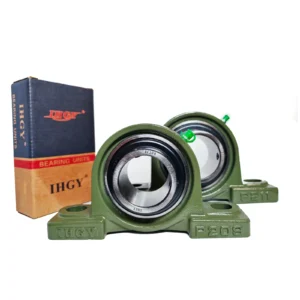
Choosing the wrong pillow block bearing leads to costly downtime. Finding a reliable supplier is even harder. Let's simplify how to select the right one and find a trustworthy partner.
To choose the right pillow block bearing, match the shaft size, load type, and operating environment. For a reliable supplier, look for stable production capacity, consistent quality control, and comprehensive OEM services to ensure your business runs smoothly and your brand is protected.
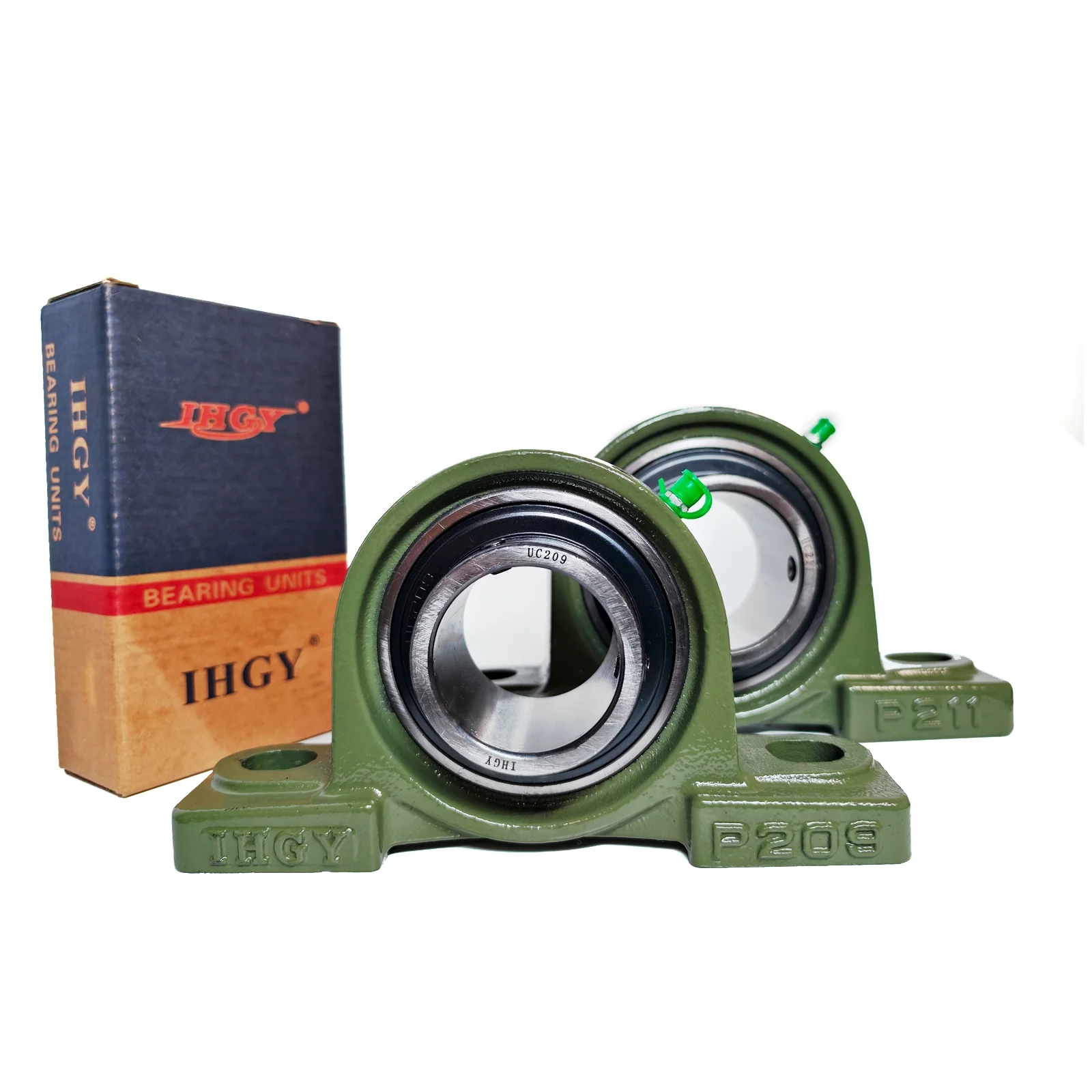
Selecting the right bearing is just the first step. Understanding the "why" behind their popularity and the details of selection can save you a lot of headaches down the line. We've been in this business since 1992, and I've seen it all. Let's dive into the specifics so you can make informed decisions for your customers or your own equipment.
What Exactly Are Pillow Block Bearings?
Ever see those versatile mounted bearing unit1s but don't know the specifics? This uncertainty makes sourcing difficult. Let's clarify what pillow block bearing2s are and what makes them unique.
A pillow block bearing is a mounted bearing unit. It consists of a self-aligning ball bearing (an insert bearing) housed inside a cast iron or steel mounting block. This design allows it to be easily bolted onto a surface, supporting a rotating shaft.
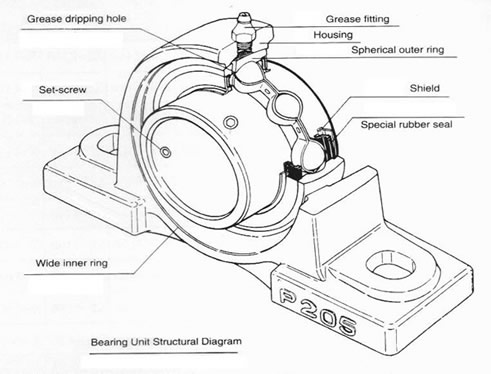
Pillow block bearings are part of a larger family called "mounted bearing unit1s." The core idea is simple: an insert bearing, which is basically a sealed deep groove ball bearing3 with a spherical outer ring, is placed inside a housing. This combination makes them ready to install right out of the box. While people often say "pillow block," they might be referring to several common types.
Pillow Block Bearings (UCP Series)
These are the most common type. The "P" stands for Pillow. They have a solid base with two mounting holes and are designed to support a shaft on a flat, parallel surface. You see them everywhere, especially in conveyor systems and agricultural machinery, where they provide simple and robust support.
Flange Bearings (UCF / UCFL Series)
These units are for when you need to mount a bearing on a surface perpendicular to the shaft. The "F" stands for Flange. They come in various shapes, like the four-bolt square flange (UCF) or the two-bolt oval flange (UCFL). They are perfect for side-mounting applications.
Take-Up Bearings (UCT Series)
The "T" stands for Take-Up. These are special. They are housed in a unit that can slide in a frame. This allows for adjusting the shaft's position, which is essential for tensioning conveyor belts or chains.
| Housing Type | Common Series | Mounting Surface | Main Use Case |
|---|---|---|---|
| Pillow Block | UCP | Parallel to shaft | General shaft support |
| Flange Bearing | UCF, UCFL | Perpendicular to shaft | Side-mounting |
| Take-Up Bearing | UCT | Sliding frame | Shaft tensioning |
Why Are Pillow Block Bearings So Widely Used?
Ever wonder why you see pillow block bearings everywhere from farms to factories? You might be missing why they are the go-to solution for so many applications. Let's uncover why.
They are widely used because of their self-aligning capability, which forgives mounting inaccuracies. Their robust sealing protects against harsh environments like dust and moisture. Plus, their simple installation process saves time and labor, making them a practical and reliable choice for many industries.
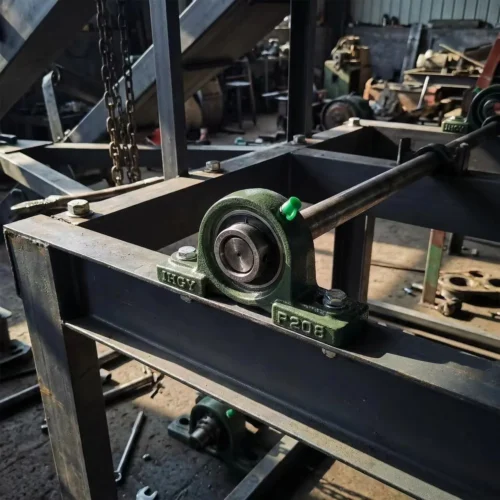
I like to call them the "universal adapter bearing" because they are so tough and versatile. They work reliably even when the mounting isn't perfect or the working conditions are terrible. This adaptability comes from a few key features that make them incredibly practical. They solve common real-world problems that other bearings can't handle as easily.
Self-Aligning Function
The outer surface of the bearing insert is spherical, and the inside of the housing is concave. This allows the bearing to swivel inside the housing. This is a game-changer because it automatically compensates for any small errors in alignment between the shaft and the mounting surface. This feature is perfect for equipment that doesn't have high-precision machining.
Strong Sealing Performance
These bearings come with built-in seals on both sides. These are designed to keep contaminants like dust, dirt, and moisture out, and to keep the grease in. This makes them ideal for dirty and demanding environments like outdoor agricultural equipment or factory conveyor lines. They are built to withstand the elements.
Simple Installation
You don't need complex tools or a press to install a pillow block bearing. The insert bearing is typically secured to the shaft with simple set screws or an eccentric locking collar. This means even a novice can install or replace one quickly, which is a huge benefit for reducing machine downtime.
| Feature | Benefit for the User |
|---|---|
| Self-Aligning | Forgives mounting errors, reduces stress on the shaft. |
| Integrated Seals | Protects against dust, water, and debris. Lasts longer. |
| Simple Mounting | Fast and easy to install or replace. No special tools needed. |
How Do You Quickly Select the Right Pillow Block Bearing?
A customer only gives you a shaft size4 and needs a bearing. Guessing the model is risky and can lead to returns. Let's walk through a quick selection process.
Start with the shaft size, as it's the most critical parameter. Then, consider the load type (radial or axial), operating environment (dust, moisture), and the required housing type (pillow block, flange, etc.). These factors will quickly narrow down the correct bearing model for the application.
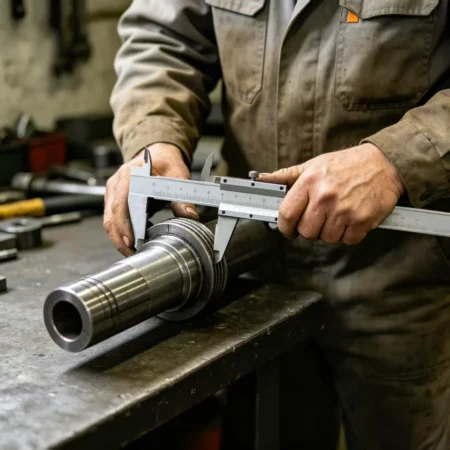
We know that many of our distributors' customers are end-users. They might not know the exact bearing model they need. They often just know the size of their equipment's shaft. To solve this exact problem for our partners, we created a simple online selection tool. You just enter the shaft diameter, and it gives you the matching bearing models. You can find it here: Pillow Block Bearing Model Selector.
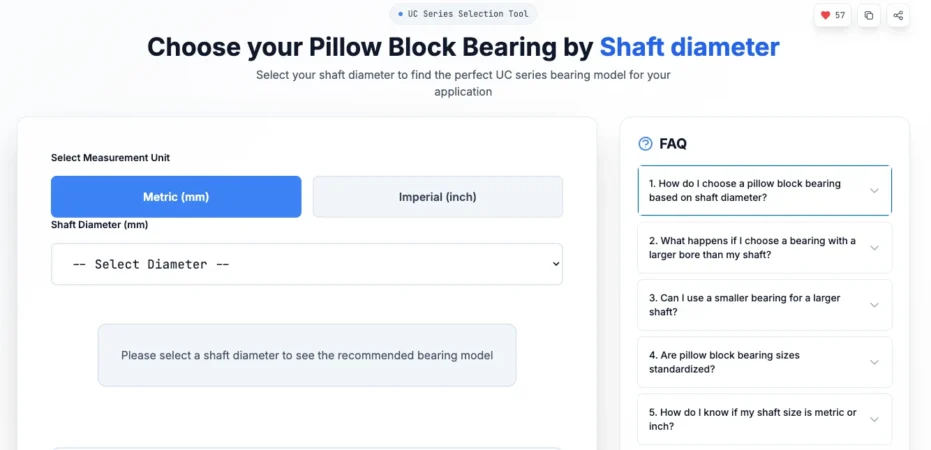
Shaft Size
This is the most important factor. The bearing's inner diameter (bore) must match the shaft's outer diameter. This is the first piece of information you need to get.
Load Type
Think about how force is applied to the shaft. Is it a radial load (perpendicular to the shaft, like a conveyor belt's weight) or an axial load (along the shaft's length, like a pushing force)? Most pillow block bearings are excellent for radial loads but have limited axial load capacity.
Operating Environment
Where will the bearing be used? An indoor factory is very different from an outdoor farm machine. Consider factors like dust, water, corrosive chemicals, and high temperatures. This will determine the type of seal and material needed.
Housing Type
How will the bearing be mounted? As we discussed earlier, you'll need a UCP for flat surfaces, a UCF or UCFL for side walls, or a UCT for tensioning systems.
Why Should Distributors & OEM Buyers Choose a Supplier Carefully?
Think all bearing suppliers are the same? A cheap price can hide risks like stockouts or inconsistent quality, damaging your brand. Choosing the right supplier is a critical business decision.
Choosing the right supplier is crucial for supply stability, consistent product quality, and reliable lead times. A good partner prevents stockouts, ensures every batch meets standards, and delivers on time, protecting your business operations, customer relationships, and brand reputation in the long run.
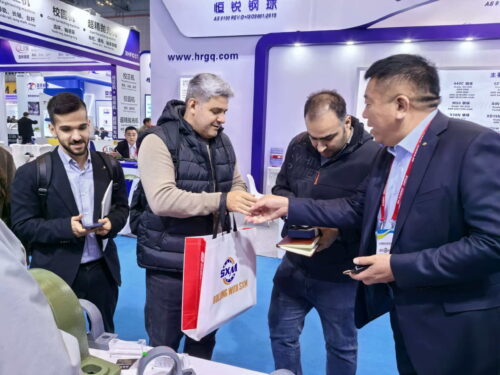
The price on an invoice is only a small part of the total cost. A cheap bearing from an unreliable supplier can cost you much more in the long run. When a machine breaks down because of a faulty bearing, your customer doesn't blame the bearing maker; they blame you. That's why your supplier is your partner. Their performance directly impacts your reputation.
Supply Stability
An unreliable supplier can suddenly run out of stock. This means you can't deliver to your customers, and they will go to your competitors. A manufacturer with deep production capacity and control over their raw materials, like us with our own foundry, can provide a much more stable supply.
Consistent Quality
Is the 1000th bearing you buy the same quality as the first? With some suppliers, quality varies from batch to batch. This creates uncertainty for you and your customers. A supplier with end-to-end quality control ensures that every product meets the same high standard, every single time.
Lead Time Control
Late shipments from your supplier cause a chain reaction. They delay your deliveries to customers, which can halt their production lines or projects. This damages trust. Working with a direct manufacturer often means more predictable and reliable lead times because there are fewer middlemen in the process.
| Factor | Unreliable Supplier (Trader) | Reliable Supplier (Manufacturer) |
|---|---|---|
| Supply | High risk of stockouts | Stable, predictable supply |
| Quality | Inconsistent between batches | Consistent, high-quality batches |
| Lead Time | Often unpredictable | More reliable and controllable |
| Your Risk | High (damaged reputation, lost sales) | Low (protected brand, happy customers) |
How Can You Get a Reliable OEM Solution or Wholesale Price?
Looking for a wholesale or OEM bearing partner? Many suppliers can't deliver true brand support or consistent quality. Partnering directly with a manufacturer is the key to building your brand.
For the best wholesale price and a reliable OEM solution, partner with a manufacturer who has their own casting foundry. This ensures quality control from raw material to finished product, better pricing, and deeper customization options like casting your logo directly onto the housing for enhanced brand visibility.
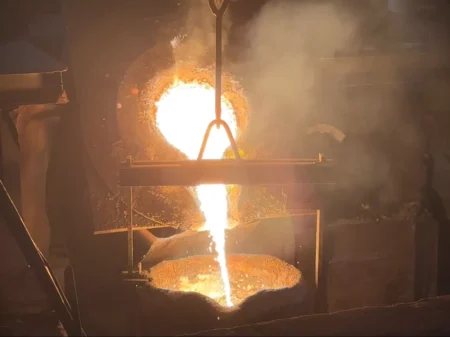
If you are a distributor or an OEM brand, your supplier's capabilities are your capabilities. At Yuanguang, we built our business around being the ideal partner for companies like yours. We don't just sell bearings; we provide a manufacturing platform for your brand's success.
Direct-from-Manufacturer Advantage
We are not a trading company. We have our own casting foundry5 producing 40 tons of castings daily, a housing processing plant producing 12 million housings annually, and a bearing assembly6 factory producing 15 million bearings annually. This vertical integration7 gives us control over quality, cost, and supply. This means a better price and more stable supply for you.
Full-Process Quality Control
Our quality control8 isn't just a final check. It happens at every stage, from the raw molten iron to the final packaged product. This guarantees that every batch is stable and meets your specifications.
Comprehensive OEM/Private Label Services
Working directly with us opens up unique branding opportunities. While others can only laser-etch your logo on the bearing, we can cast your logo directly into the housing itself. This creates a much more professional and permanent branding statement. We can also customize housing weights and designs, and provide custom packaging to meet your market's needs.
| Our OEM/ODM Service | What It Means For You |
|---|---|
| Cast-in Housing Logo | Permanent, professional branding that can't be removed. |
| Custom Housing Weight/Design | Products tailored to your specific market or application needs. |
| Custom Bearing Configuration | Choice of materials, seals, and grease for specific environments. |
| Private Label Packaging | Your brand is front and center, from the box to the product. |
| Brand Protection | We work with you to protect your market and your brand identity. |
Conclusion
Choosing the right pillow block bearing is simple with the right know-how. Partnering with a reliable manufacturer like us ensures quality, stability, and growth for your business.
Learn about mounted bearing units to better understand their versatility and usage in various industries. ↩
Understanding pillow block bearings is essential for selecting the right one for your applications. ↩
Understanding deep groove ball bearings can help in selecting the right bearing type. ↩
Accurate measurement of shaft size is critical for ensuring proper bearing fit. ↩
Learn how a casting foundry impacts the quality and cost of manufactured products. ↩
Understanding the bearing assembly process can help ensure product quality. ↩
Learn how vertical integration can improve quality and reduce costs. ↩
Learn why consistent quality control is vital for reliable bearing performance. ↩