
Ceramic Bearings
Engineered for extreme performance with superior heat resistance, corrosion protection, and extended service life. Manufactured in our state-of-the-art facility with over 30 years of bearing production expertise.
Our Ceramic Bearing Solutions
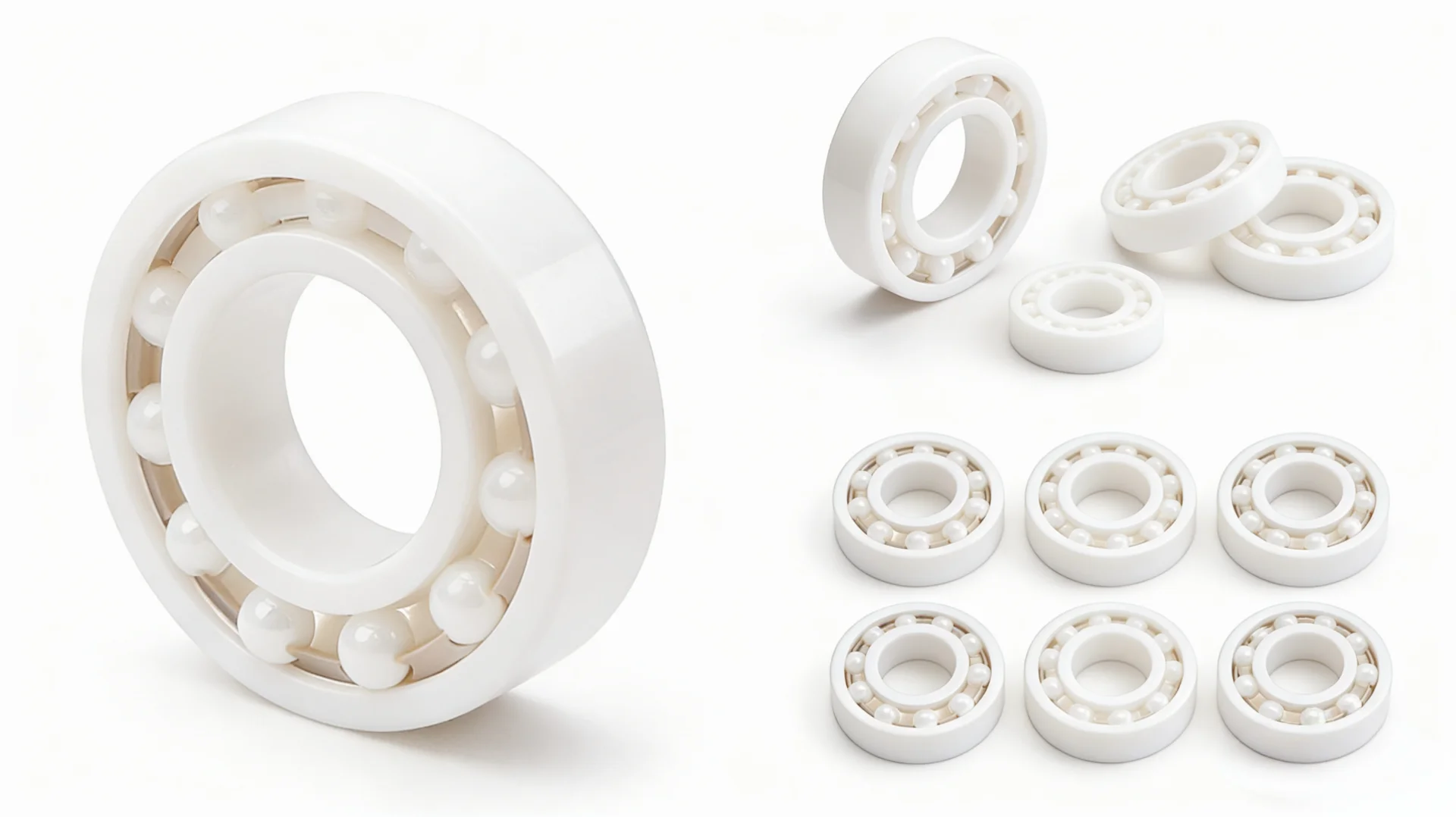
Full Ceramic Bearings
Complete ceramic construction for maximum corrosion resistance and electrical insulation. Ideal for extreme environments and high-purity applications.
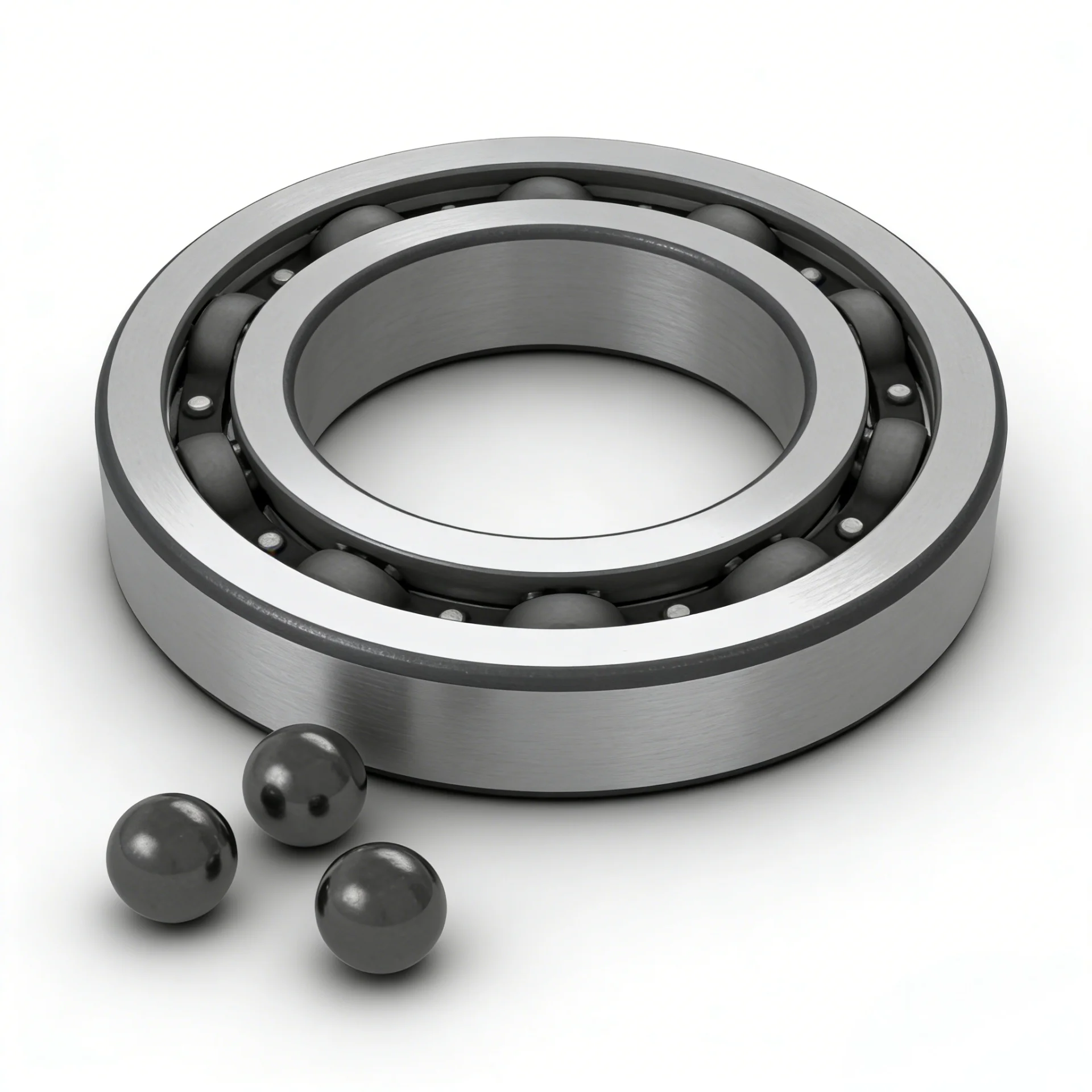
Hybrid Ceramic Bearings
Ceramic rolling elements with steel races for optimal performance balance. Perfect for high-speed applications requiring reduced friction and heat.
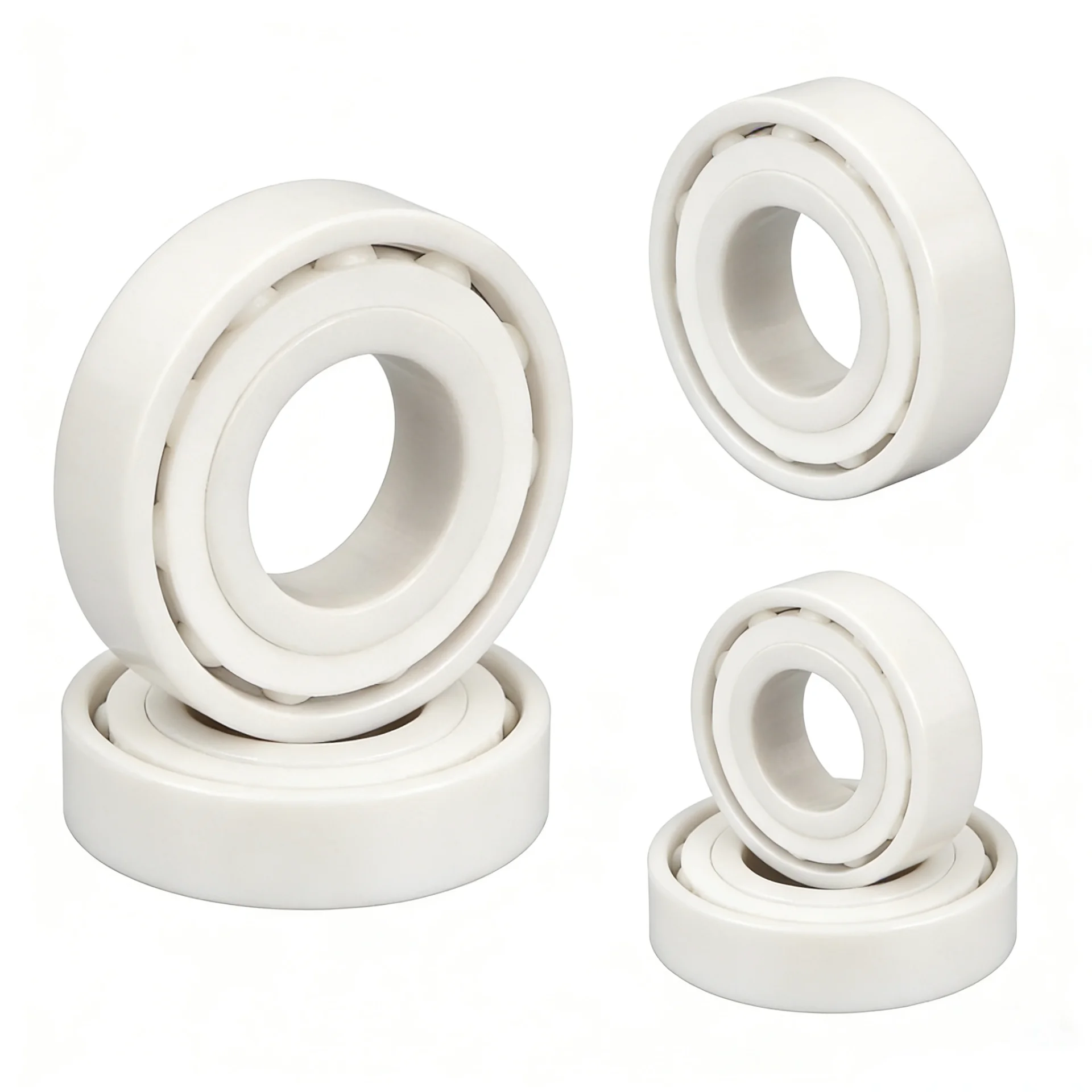
Superior Performance Characteristics
High-Temperature Resistance
Ceramic bearings can withstand extreme temperatures, making them ideal for high-heat environments.
Corrosion Resistance
They are highly resistant to corrosion, ensuring longevity even in harsh conditions.
Lightweight
Ceramic bearings are significantly lighter than traditional steel bearings, reducing overall equipment weight.
Low Friction
Minimal friction results in reduced energy consumption and increased efficiency.
High-Speed Capability
They excel at high-speed operations due to lower friction and reduced heat generation.
Longer Service Life
Ceramic materials offer exceptional durability, leading to extended bearing life.
Precision
Ceramic bearings provide precise and consistent performance in critical applications.
Ceramic Bearings FAQ
What are the main advantages of ceramic bearings over steel bearings?
Ceramic bearings offer superior performance in extreme conditions with higher temperature resistance, better corrosion resistance, lower weight, reduced friction, and longer service life compared to traditional steel bearings. They are also electrically non-conductive, making them ideal for applications requiring electrical insulation.
What is the difference between full ceramic and hybrid ceramic bearings?
Full ceramic bearings have both the rolling elements and races made from ceramic materials, providing maximum corrosion resistance and electrical insulation. Hybrid ceramic bearings feature ceramic rolling elements (typically silicon nitride) with steel races, offering an optimal balance of performance, durability, and cost-effectiveness for high-speed applications.
What industries commonly use ceramic bearings?
Ceramic bearings are widely used in aerospace, medical equipment, semiconductor manufacturing, food processing, chemical processing, high-speed machine tools, electric motors, and precision instruments. Any application requiring high-speed operation, corrosive environment resistance, or electrical insulation benefits from ceramic bearings.
How do I maintain ceramic bearings?
Ceramic bearings require minimal maintenance compared to steel bearings. Use appropriate lubrication for your application, keep bearings clean from contaminants, avoid impact loads during installation, and monitor operating conditions regularly. Many ceramic bearing applications can operate with minimal or no lubrication due to their low friction properties.
Can you provide custom ceramic bearing solutions?
Yes, with our comprehensive manufacturing facilities including casting, bearing housing, and bearing production factories, we offer professional OEM/ODM capabilities for custom ceramic bearing solutions. Our engineering team can work with you to develop bearings that meet your specific application requirements, dimensions, and performance specifications.
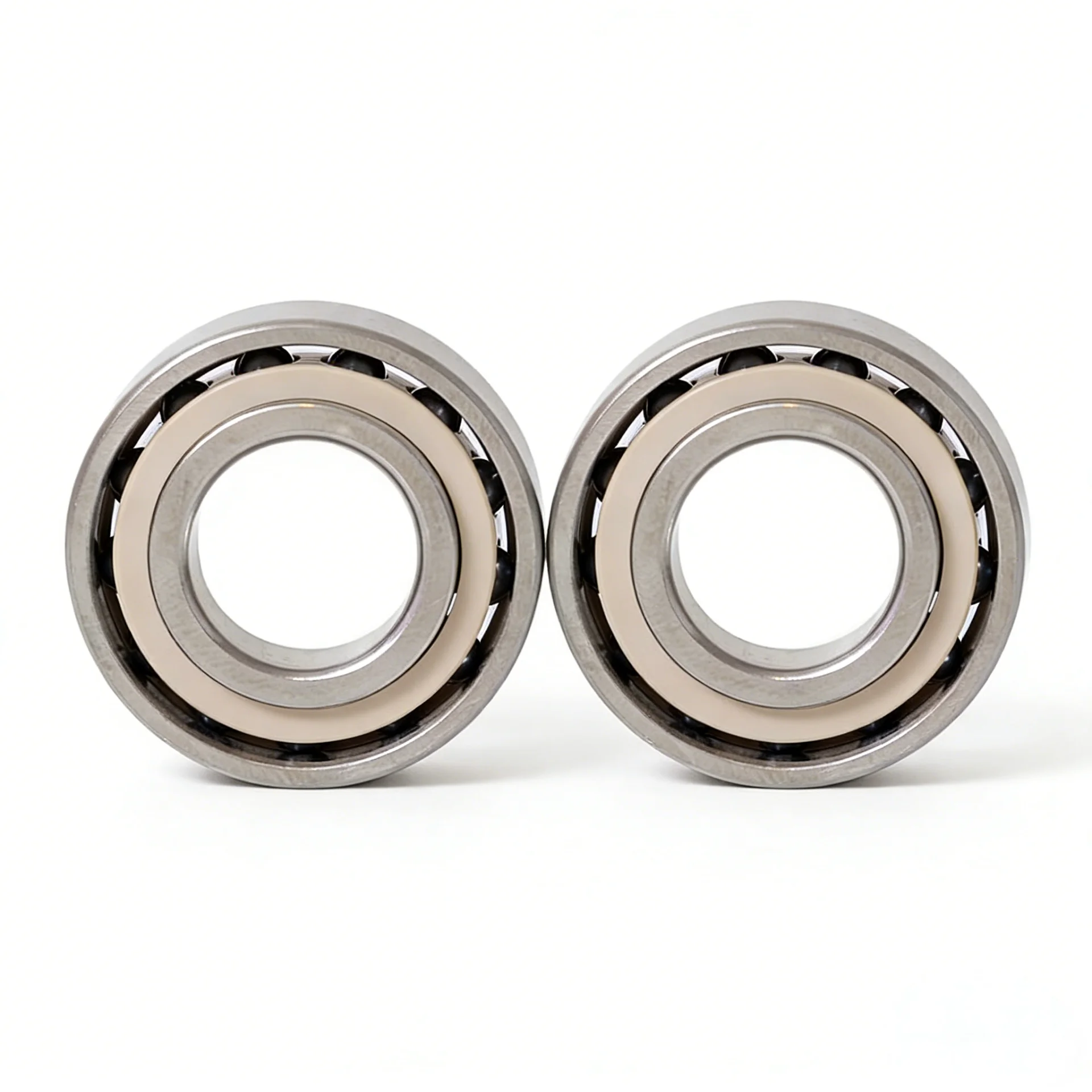
Need Expert Guidance?
Our experienced engineers and sales team are ready to provide professional advice tailored to your specific bearing requirements.