
Curved conveyor systems present unique challenges in material handling. Without proper bearing selection1 and maintenance, these systems can experience premature wear2, increased energy consumption3, and costly downtime.
Bearings in curved conveyor systems4 must handle complex loads while supporting rollers and pulleys through curved paths. Key requirements include managing radial and axial forces5, accommodating misalignment, and maintaining proper lubrication6 for smooth operation.

As a bearing manufacturer with over 30 years of experience, I've seen firsthand how critical proper bearing selection1 is for curved conveyor performance. Let me share our expertise on this specialized application.
What Is a Curved Conveyor System and How Does It Work?
Curved conveyors often fail due to improper component selection and maintenance. The complex forces involved require specialized knowledge to ensure reliable operation.
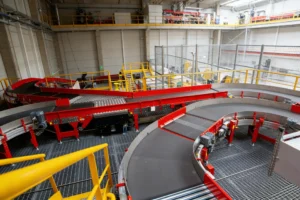
A curved conveyor system uses tapered rollers7 mounted on bearings to move materials through a curved path. The rollers are arranged in a radial pattern, with the outer rollers rotating faster than inner ones to maintain smooth product flow.
Curved conveyors use differential roller speeds to guide products smoothly through turns. The outer rollers must rotate faster than inner ones to prevent product slippage or jamming. This creates unique bearing requirements:
Key Components
- Tapered rollers
- Support bearings
- Drive mechanisms
- Belt/chain systems
Operating Principles
- Differential speed operation
- Load distribution across rollers
- Tension management
- Product guidance systems
The bearing selection1 must account for these operating characteristics while providing reliable support for continuous operation.
Why Are Bearings Critical in Curved Conveyor Belt Applications?
Poor bearing performance in curved conveyors leads to increased maintenance costs and system downtime. Understanding their role is essential for system reliability.
Bearings in curved conveyors support roller rotation, manage variable speeds between inner and outer rollers, handle dynamic loads8, and maintain proper belt tracking. Their performance directly impacts system efficiency and longevity.
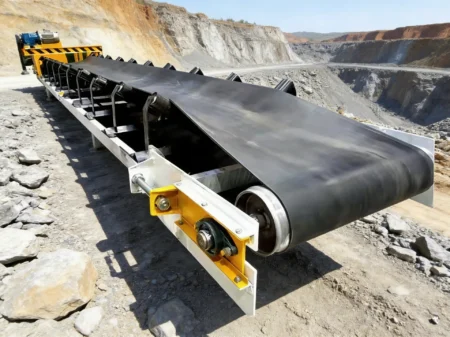
Let's examine the specific functions bearings serve in curved conveyor applications:
Primary Functions
- Load Support
- Radial load handling9
- Axial thrust management
- Speed differential accommodation
System Benefits
- Reduced friction
- Improved energy efficiency
- Extended belt life
- Smoother product flow
Operational Requirements
- Proper alignment
- Adequate lubrication
- Environmental protection
- Regular maintenance
How Do Radial, Axial, and Combined Loads Affect Curved Conveyor Bearings?
Understanding load characteristics is crucial for bearing selection1 and system longevity. Many curved conveyor failures stem from improper load management.
Curved conveyor bearings face complex loading patterns including radial loads from product weight, axial loads from belt tension, and combined loads during operation. These forces vary based on conveyor radius, speed, and load distribution10.
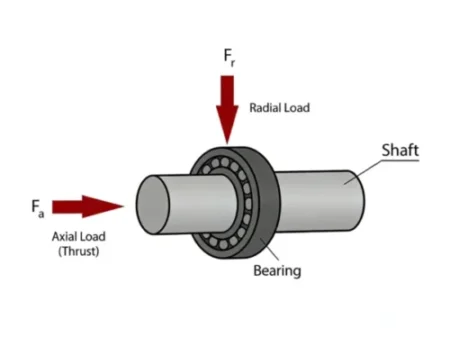
Based on my experience working with numerous conveyor installations, here are the key load considerations:
Load Types and Their Impact
-
Radial Loads
- Product weight
- Structural support requirements
- Speed-related forces
-
Axial Loads
- Belt tension effects
- Guidance forces
- Misalignment compensation
-
Combined Loading
- Dynamic force interactions
- Speed-dependent variations
- System geometry effects
What Bearing Types Are Commonly Used in Curved Conveyor Systems?
Selecting the wrong bearing type can lead to premature failure and increased maintenance costs. Each bearing type offers specific advantages for curved conveyor applications.
Common bearing types include deep groove ball bearings for light loads, spherical roller bearings11 for heavy loads and misalignment, and tapered roller bearings for combined loads. Selection depends on load requirements, speed, and environmental conditions.
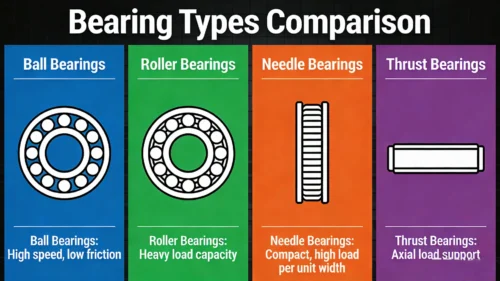
Through decades of manufacturing experience, we've identified optimal bearing solutions:
Common Bearing Types and Applications
-
Deep Groove Ball Bearings
- Light to medium loads
- High-speed capability
- Cost-effective solution
-
Spherical Roller Bearings
- Heavy load handling9
- Self-aligning capability
- Maintenance-friendly
-
Tapered Roller Bearings
- Combined load management
- High precision requirements
- Maximum stability
What Are the Key Factors in Bearing Selection for Curved Conveyors?
Improper bearing selection1 can result in frequent replacements and system inefficiencies. A systematic approach to selection ensures optimal performance.
Key selection factors include load capacity, speed requirements, environmental conditions, maintenance access, and system reliability needs. These must be balanced against cost considerations and operational requirements.
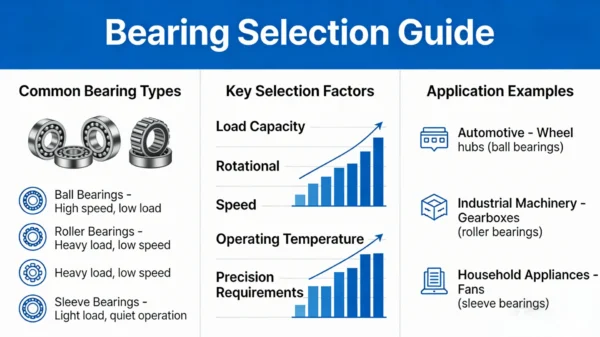
Drawing from our manufacturing expertise, here are critical selection considerations:
Selection Criteria
-
Operating Parameters
- Load ratings
- Speed capabilities
- Temperature limits
-
Environmental Factors
- Contamination exposure
- Moisture presence
- Temperature variations
-
Maintenance Requirements
- Lubrication access
- Monitoring capabilities
- Replacement ease
Where Are Curved Conveyor Bearings Typically Used in Industry?
Different industries have varying requirements for curved conveyor bearings. Understanding these applications helps in selecting the right bearing solution.
Curved conveyor bearings are widely used in airports, distribution centers, manufacturing plants, and food processing facilities. Each application has unique requirements for load handling9, speed, and environmental protection12.
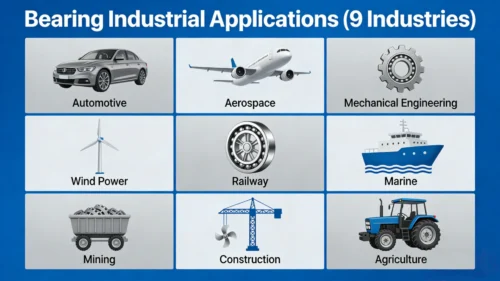
Common applications include:
Industry Applications
-
Airport Baggage Handling
- High-speed operation
- Continuous duty
- Reliability requirements
-
Distribution Centers
- Variable load handling9
- Multiple shift operation
- Maintenance accessibility
-
Manufacturing
- Precision requirements
- Environmental challenges
- Integration needs
Conclusion
Proper bearing selection1 and maintenance are crucial for curved conveyor system reliability. Consider load patterns, operating conditions, and maintenance requirements when choosing bearings for your application.
Learn about the critical factors in bearing selection to ensure optimal performance in curved conveyor applications. ↩
Discover the factors leading to premature wear and how to mitigate them for better system longevity. ↩
Understand the relationship between bearing selection and energy efficiency in conveyor systems. ↩
Explore the unique challenges faced by curved conveyor systems to enhance your understanding of material handling. ↩
Gain insights into how these forces impact the performance of curved conveyor systems. ↩
Explore the significance of lubrication in maintaining smooth operation and extending bearing life. ↩
Learn about the function of tapered rollers and their importance in ensuring smooth product flow. ↩
Explore the concept of dynamic loads and their implications for bearing selection and system design. ↩
Learn best practices for effective load handling to enhance the performance of curved conveyor systems. ↩
Understand the impact of load distribution on the efficiency and reliability of curved conveyors. ↩
Discover the benefits of using spherical roller bearings for heavy load handling and misalignment. ↩
Learn about strategies to protect conveyor bearings from environmental factors that can cause damage. ↩