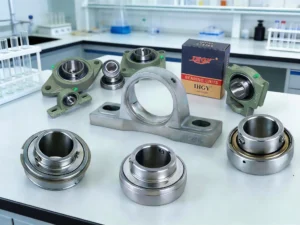
Rusty bearings can stop your entire production line and cost you a lot of money. Do you know which material can prevent this nightmare from happening to your equipment?
Stainless steel bearings1 are the best choice for corrosive, wet, or chemical environments due to their protective chromium layer2. Carbon steel3 is better for dry, standard industrial applications where high hardness4 and lower initial cost are the main priorities. Choosing correctly prevents premature failure5.
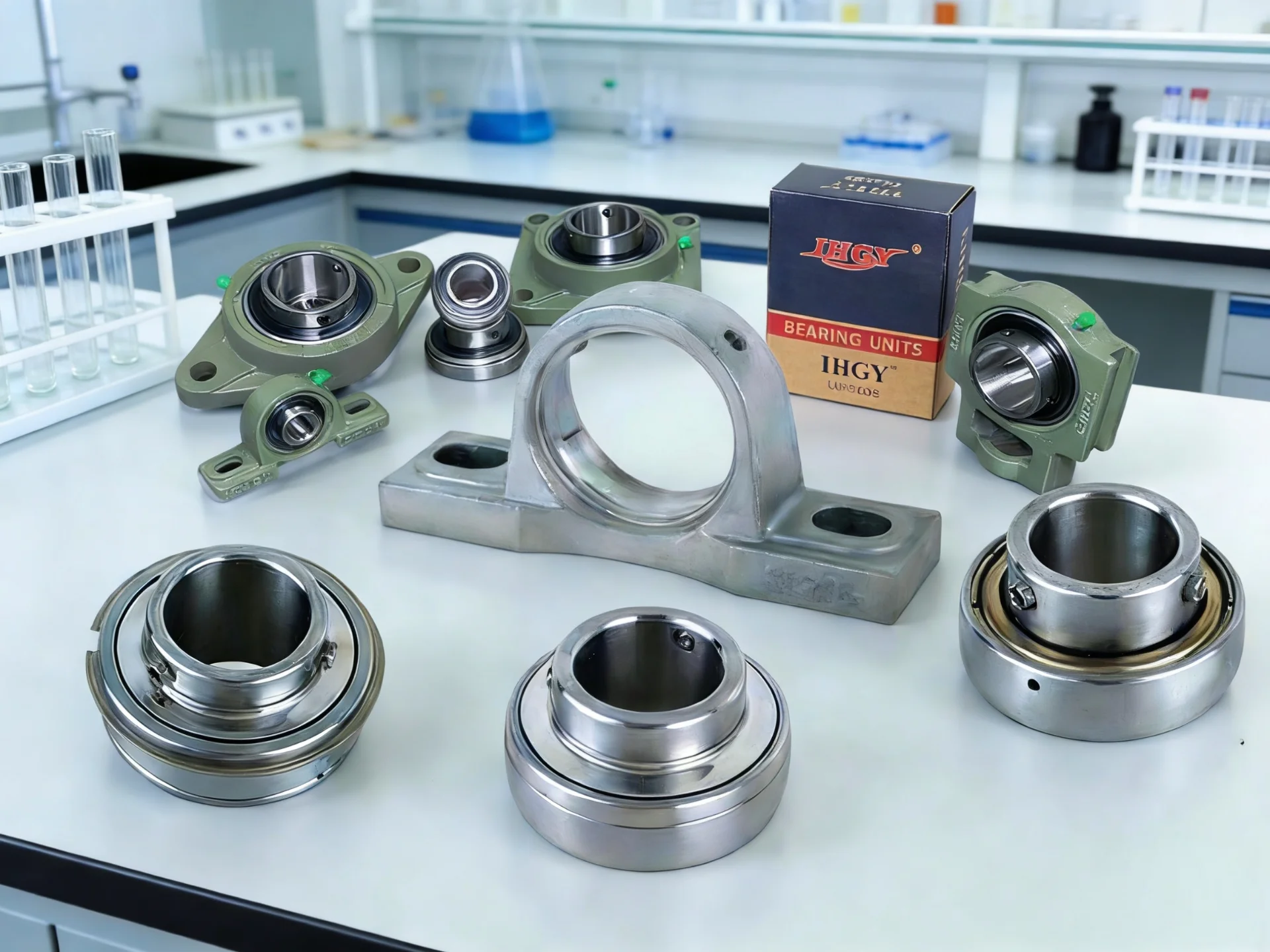
I have seen many customers make the wrong choice. They lose money because they do not understand the differences between these materials. They buy the cheapest option, and then they call me a month later because the machine stopped working. Or, they buy the most expensive one when they do not need it. Let me explain everything simply so you can make the right decision.
What makes the material composition6 so different?
You cannot judge the quality of a bearing just by looking at its shiny surface. The metal elements inside the steel are what really matter for performance.
Stainless steel contains at least 10.5% chromium, creating a shield against rust. Carbon steel relies on iron and carbon, making it hard but very easy to oxidize7. This chemical difference is the root of all performance variations.
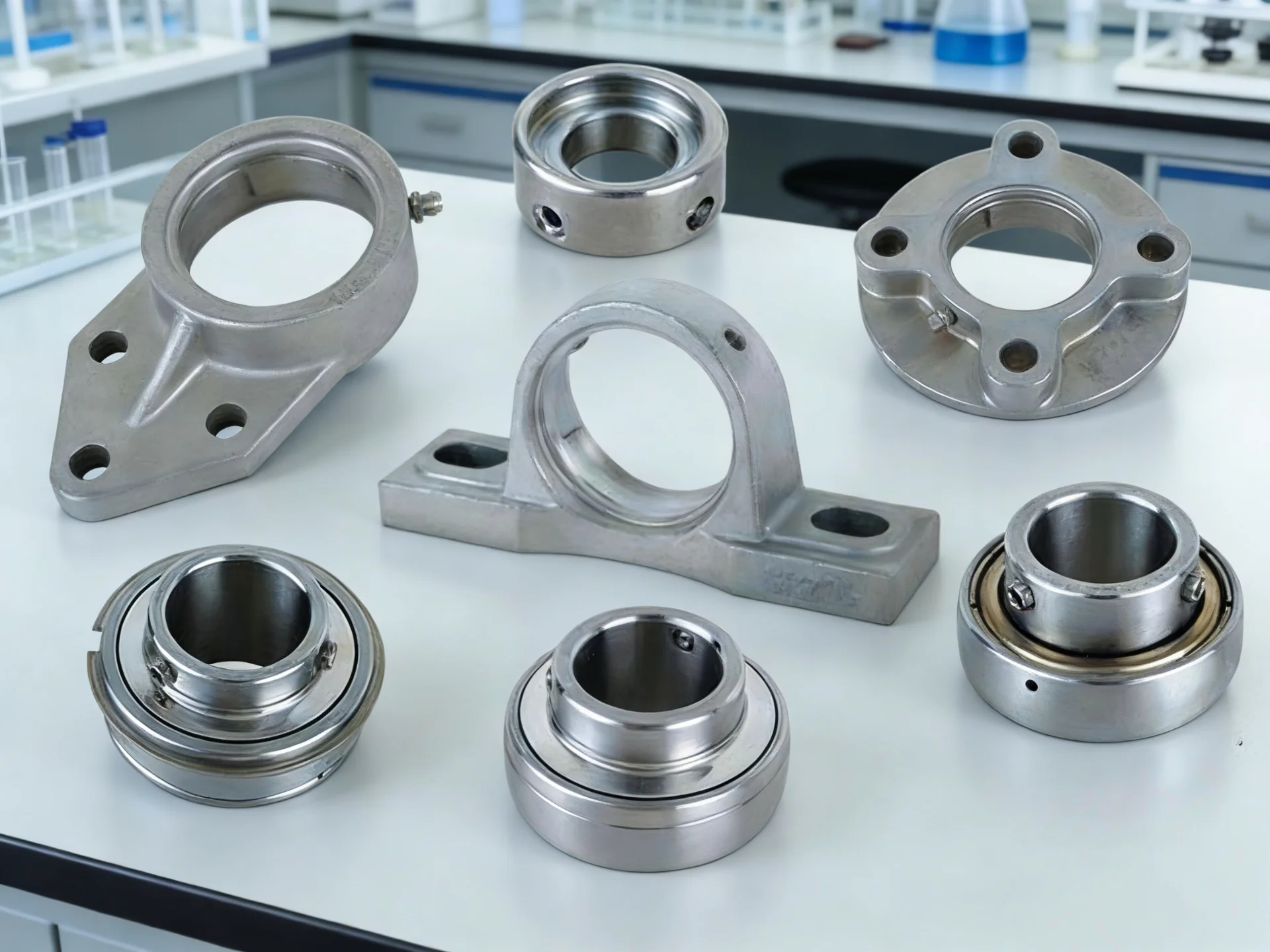
At Yuanguang Bearing, we work with these materials every day in our casting factory. We see how they react to heat and air. To understand why one bearing lasts longer than another, you have to look at the chemistry. It sounds complex, but it is actually simple.
Stainless steel is an alloy. This means it is a mix of different metals. The most important parts are iron, nickel, and chromium. The magic number here is 10.5%. When the steel has more than 10.5% chromium, it changes how it reacts with air. The chromium mixes with oxygen to form a very thin layer on the surface. You cannot see this layer, but it is there. It acts like a skin. It stops the iron underneath from rusting. It also has good toughness. This means it can take a hit without breaking.
On the other hand, carbon steel is mostly iron and carbon. The carbon amount is usually between 0.02% and 2.1%. We classify them as low, medium, or high carbon steel. This mix makes the metal very hard. It is strong. But it does not have that magic chromium skin. When water or air touches the iron, it turns red and rusts.
Here is a simple breakdown of the differences:
| Feature | Stainless Steel | Carbon Steel |
|---|---|---|
| Main Elements | Iron, Chromium (>10.5%), Nickel | Iron, Carbon (0.02%-2.1%) |
| Protection | Forms a passive oxide layer | No natural protection |
| Main Strength | Anti-corrosion | High Hardness |
| Weakness | Slightly softer than high carbon steel | Rusts very easily |
We control these mixtures strictly in our factory in Henan. We know that if the mix is wrong, the bearing will fail.
Which environments demand stainless steel bearings?
Putting the wrong bearing in a wet or dirty place is a recipe for disaster. You must match the bearing to the room where it lives.
Use stainless steel for food processing8, marine, and chemical industries where moisture and acids are present. Stick to carbon steel for general machinery, fans, and agriculture where the air is dry and chemicals are absent.
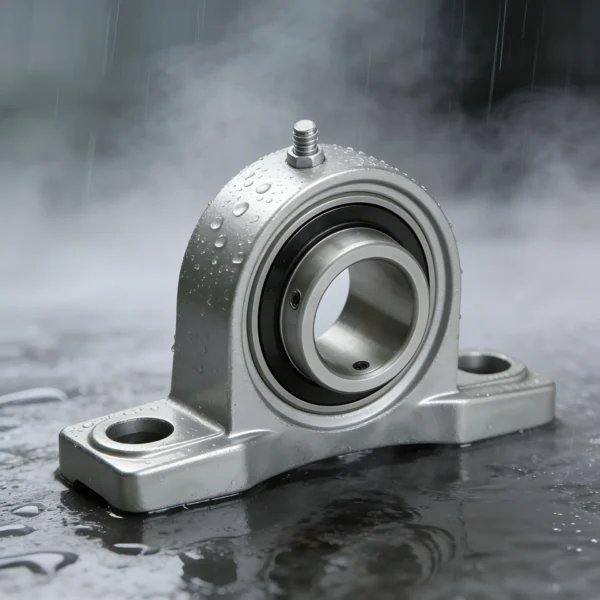
I always ask my clients: "Where will you put this machine?" This is the most important question. The environment decides the life of the bearing.
Stainless steel bearings1 are the heroes of bad environments. Think about the food industry. Machines there get washed down with water and strong cleaners every day. If you use normal steel, it will rust in a week. The rust can get into the food. That is dangerous. Stainless steel resists the water and the acid in the cleaners. It is also perfect for ships or equipment near the sea. Salt water destroys carbon steel very fast. But stainless steel stays strong. We also sell these to chemical plants. In these places, the air itself can eat metal. Stainless steel protects the bearing from this damage.
Carbon steel3 bearings have a different job. They are great for "safe" places. Think about a fan in a dry warehouse. Or a conveyor belt in a packaging facility. There is no water. There is no acid. In these cases, you do not need to pay extra for stainless steel. Carbon steel3 works perfectly here. It is used in home appliances, power tools, and standard banking equipment. These machines run in normal temperatures and dry air.
Industry Selection Guide
-
Choose Stainless Steel:
- Food and Beverage production
- Medical equipment
- Marine and offshore machinery
- Chemical processing plants
- Dyeing and printing machinery
-
Choose Carbon Steel:
- General conveyor systems
- Agricultural machinery (dry conditions)
- Household fans and motors
- Construction equipment
- Mining conveyors
We have been manufacturing since 1992. We have seen carbon steel bearings turn into dust in chemical plants because the buyer wanted to save money. Do not make that mistake.
How do they compare in strength and wear resistance?
Many people think stainless steel is soft and cannot hold heavy weights. Is this actually true, or is it a myth?
Carbon steel3 is generally harder and resists wear better under normal conditions. However, stainless steel handles shock loads9 well and maintains its strength even when exposed to corrosive elements that would destroy carbon steel.
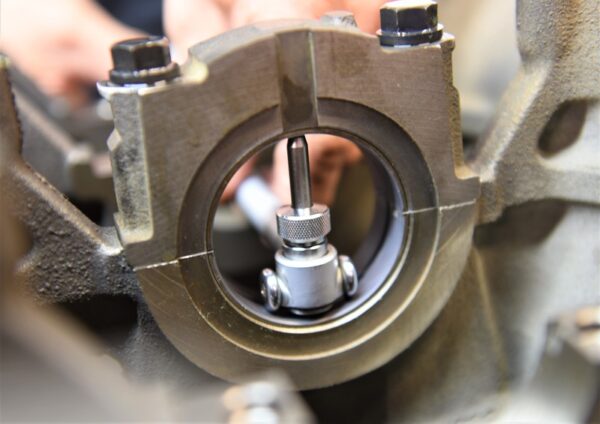
This is a topic where many people get confused. They look at the "Hardness" number and think higher is always better. That is not always true.
Carbon steel3, especially high carbon steel, is very hard. We often treat the surface with heat to make it even harder. This is called carburizing or quenching. Because it is so hard, it resists wear very well. If you have a machine that spins very fast with a heavy load in a dry place, carbon steel is excellent. It will not wear down quickly.
Stainless steel is slightly different. It might be a little less hard than treated carbon steel. But it has better "toughness." Toughness means it does not crack easily when it gets hit. It can handle shock loads9. Imagine hitting a rock vs. hitting a hard piece of wood. The rock might shatter. The wood might dent but stay together. Stainless steel is durable in this way.
Also, performance is not just about hardness. It is about design. Our stainless steel bearings often come with a spherical outer ring. This fits into the housing perfectly. It allows the bearing to "self-align." Sometimes, when you install a machine, the shaft is not perfectly straight. Or the floor is not flat. This causes stress. The self-aligning feature10 fixes this problem automatically. It saves the bearing from breaking.
You also have to think about performance over time. Carbon steel3 is strong on day one. But if it rusts, it becomes weak. The rust eats the metal. It creates pits and holes. Then the bearing vibrates and fails. Stainless steel keeps its strength because it does not rust. So, in a bad environment, stainless steel is actually stronger in the long run.
Which bearing saves you more time on maintenance?
Nobody likes stopping production to fix a broken part every month. How much time do you want to spend on cleaning and greasing?
Stainless steel requires much less maintenance because it fights off rust naturally. Carbon steel3 needs frequent oiling and cleaning to survive, making stainless steel the cheaper option in the long run for harsh areas.
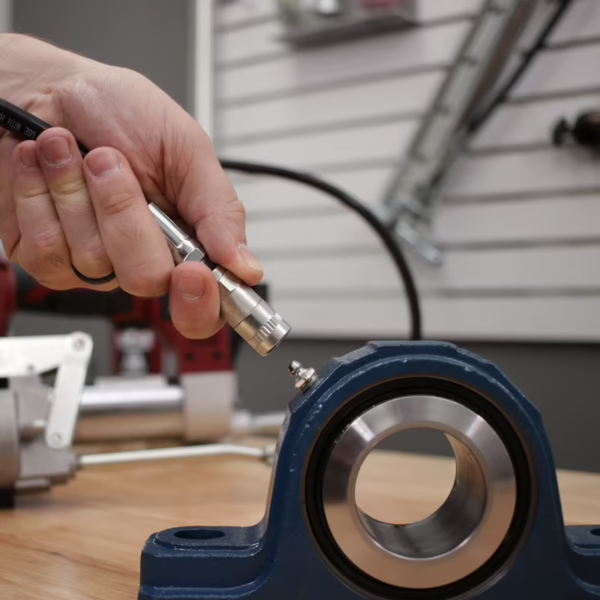
Maintenance costs money. Every time you stop a machine to fix a bearing, you lose production time. You also have to pay the worker.
Stainless steel bearings1 are low maintenance11. This is a huge benefit. Because they do not rust12, you do not need to paint them or coat them with oil constantly. In many factories, you can just wash them down and they are fine. You only need to check them sometimes and add a little grease. They are very stable. We have customers who install our stainless bearings and forget about them for a long time. They just work.
Carbon steel3 bearings are high maintenance in difficult areas. They are like a car that needs constant care. If there is any moisture in the air, you must protect them. You have to clean them often. You have to add grease frequently to stop water from touching the metal. If you miss a maintenance check, rust starts immediately. Once rust starts, it acts like sandpaper inside the bearing. It destroys it very fast.
So, you have to do the math.
- Carbon Steel: Low price to buy. High cost to maintain. High risk of stopping work.
- Stainless Steel: Higher price to buy. Low cost to maintain. Low risk of stopping work.
If you are a wholesaler or a retailer, you should explain this to your customers. If they want a "fit and forget" solution, sell them stainless steel. If they have a strict maintenance team and a dry factory, carbon steel is okay. As a manufacturer, we provide both. But we want you to be happy with the result.
Conclusion
Choose stainless steel for wet, acidic, or hygienic places to ensure long life. Choose carbon steel for dry, standard loads to save upfront costs.
Explore the advantages of stainless steel bearings for corrosive environments and their long-term cost-effectiveness. ↩
Find out how the chromium layer protects stainless steel from rust and enhances durability. ↩
Learn about the applications of carbon steel in various industrial settings and its cost benefits. ↩
Understand the significance of high hardness in carbon steel and its applications. ↩
Discover the common reasons for bearing failure and how to avoid costly mistakes. ↩
Delve into the importance of material composition in determining bearing performance. ↩
Learn about the oxidation process in carbon steel and its implications for machinery. ↩
Learn about the critical role of stainless steel bearings in maintaining hygiene in food processing. ↩
Explore how different bearing materials respond to shock loads and their implications for performance. ↩
Understand the benefits of self-aligning bearings in maintaining performance under misalignment. ↩
Find out how low maintenance bearings can save time and costs in industrial settings. ↩
Learn about the detrimental effects of rust on bearings and how to prevent it. ↩