

Your machine suddenly fails, costing you time and money. The cause might be hidden in your bearing's clearance, a detail easily overlooked. Choosing the right one prevents this.
Operating temperature is the most critical factor for selecting pillow block bearing clearance1. Heat causes the bearing's internal parts to expand, reducing clearance. Cold causes them to shrink, increasing it. Matching the clearance (C0, C2, C3) to your environment prevents seizure or excessive vibration.
This might sound simple, but the difference between a smooth-running machine and a catastrophic failure often comes down to getting this detail right. Over my 30 years in the bearing business, I've seen countless cases where the wrong choice led to expensive downtime. Let's look at exactly what happens when the clearance doesn't match the temperature, and how you can avoid making the same mistake.
What happens when bearing clearance is too small for high temperatures?
A perfectly running machine suddenly grinds to a halt. The heat from your process could be silently killing your bearings. Understanding how to prevent this thermal seizure is crucial.
In high-temperature environments, all metal components of the bearing and shaft expand. If the initial clearance is too small (like C2), this expansion eliminates all internal space. This causes metal-on-metal friction, leading to a complete seizure and catastrophic failure.
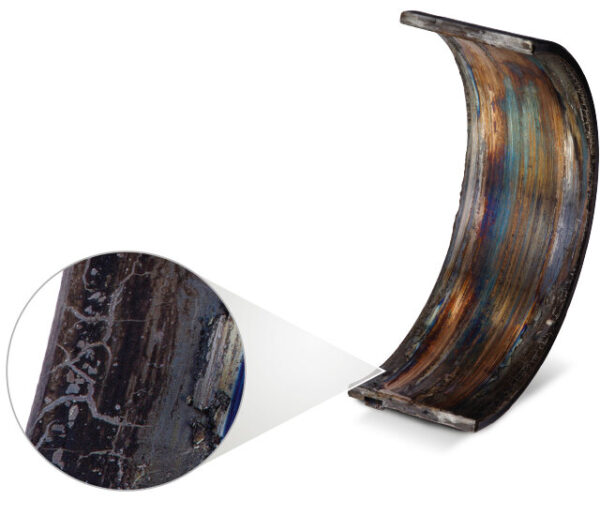
I remember a case with a new customer who ran a large commercial bakery. Their proofing rooms were consistently hot, around 150°C. They kept having failures on their conveyor oven belts and couldn't figure out why. They were using a bearing with a small C2 clearance2, thinking "tighter is better" for precision. But this was the root of their problem.
Here’s a breakdown of what was happening inside their bearings:
The Science of Thermal Expansion
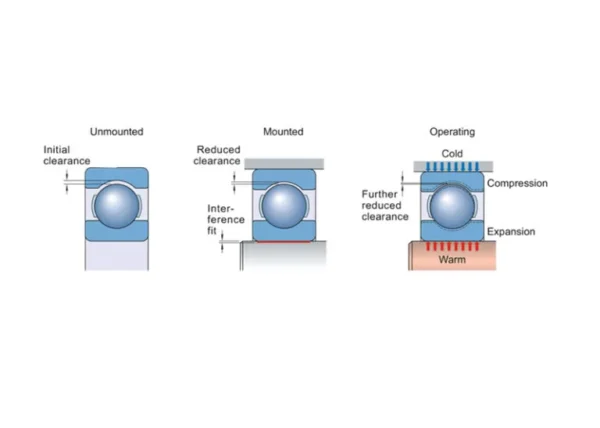
When a bearing heats up, every part grows, but not at the same rate.
- Inner Ring: The inner ring is press-fit onto the shaft. The shaft is usually a solid piece of steel and a good heat conductor. Heat from the machine travels up the shaft and expands it, which in turn stretches the inner ring. This reduces the internal clearance.
- Rolling Elements (Balls): The balls inside the bearing also get hot and expand. This takes up more space between the inner and outer raceways, further reducing clearance.
- Outer Ring: The outer ring expands as well, but it's fitted into the housing, which often dissipates heat better. The result is that the inner ring and balls usually expand more than the outer ring can compensate for.
This gradual loss of space is what we call "clearance reduction3."
| Temperature Rise | Effect on Clearance | Risk Level |
|---|---|---|
| +20°C to +70°C | Normal reduction, usually within operating limits | Low |
| +70°C to +120°C | Significant reduction, requires larger clearance | Medium |
| +120°C and above | Critical reduction, high risk of seizure | High |
For our bakery customer, the C2 clearance2 disappeared completely once the oven reached its operating temperature4. The bearing "locked up," a failure we call seizure. We switched them to a C3 clearance5 bearing. This provided enough extra initial space to accommodate the thermal expansion. Their problem was solved.
Can bearing clearance be too large in cold environments?
You hear a strange vibration from your equipment on a cold day. You might assume a loose part is the problem, but the bearing's clearance itself could be the culprit.
Yes, it absolutely can. In extreme cold, metal parts contract. A bearing with a large initial clearance, like C3 or C4, can become excessively loose. This looseness leads to roller skidding, vibration, noise, and ultimately, premature failure from uneven wear.
We have a long-term partner, a distributor in a very cold region where winter temperatures often drop to -30°C. They supply bearings for outdoor agricultural equipment6. One year, they received complaints about new harvesters making a loud rumbling noise during the first use of the season. The bearings were failing much faster than expected. They had been sold a batch of bearings with C3 clearance5, with the supplier thinking the extra room would be a benefit.
It was actually the opposite. Here's what was happening at a microscopic level.
The Problem with Cold Contraction
Just as heat expands metal, cold shrinks it. This process created too much space inside their bearings.
- Component Shrinkage: The shaft, inner ring, outer ring, and balls all contracted in the freezing temperatures. This increased the internal radial clearance far beyond the designed tolerance.
- Loss of Preload: The bearing became too loose. Instead of rolling smoothly, the balls would start to skid or slide along the raceway for a split second before catching again. This is because there wasn't enough load to keep them in constant rolling contact.
- Uneven Wear and Vibration: This skidding action, called "smearing," creates flat spots and damages the perfectly smooth surface of the raceway. It also generates significant vibration, which was the noise the farmers were hearing.
The table below shows how cold affects clearance.
| Temperature Drop | Effect on Clearance | Main Risk |
|---|---|---|
| 0°C to -15°C | Minor increase, usually manageable | Low |
| -15°C to -30°C | Noticeable increase, can lead to vibration | Medium |
| Below -30°C | Critical increase, high risk of smearing and failure | High |
The C3 clearance5 was simply too large to begin with for that application. When the cold made it even larger, the bearings were destined to fail. We helped them by supplying C0 standard clearance bearings. The C0 provided a much better fit at low temperatures, eliminating the skidding and vibration7. It’s a perfect example of how "more" is not always better.
How do you choose the right clearance for your operating conditions?
Choosing the wrong bearing clearance is like gambling with your machine's health. The codes C0, C2, C3 can seem confusing. But there's a simple, logical way to select the right one.
Start with C0 standard clearance as your default for most situations. If you have high heat (over 80°C difference) or a tight press-fit, move up to C3 or C4. For high-precision or very cold applications, you might need C2. Always account for temperature.
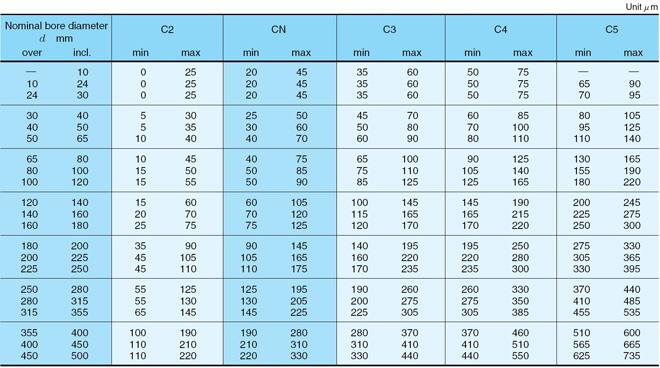
As a factory that has produced millions of bearings, we guide our OEM and ODM partners through this process every day. The goal is to achieve the correct "installed operating clearance8." This is the actual clearance left inside the bearing when it's installed and running at its normal temperature. You can't measure it directly, so you have to predict it.
Here’s the thought process we use:
A Practical Guide to Clearance Selection
You need to consider two main factors that reduce clearance: the fit and the temperature.
- The Fit: When you press-fit a bearing's inner ring onto a shaft, the ring stretches slightly. This reduces the internal clearance. A tighter fit means a greater reduction.
- The Temperature: As we've discussed, heat reduces clearance. You must estimate the temperature difference between the inner and outer rings. A good rule of thumb I've always used is this: if the total temperature difference between the bearing and its environment will exceed 80°C, you must reconsider the clearance.
Here is a simple table to guide your initial choice.
| Clearance Code | Name | Typical Application Conditions |
|---|---|---|
| C2 | Tighter than Normal | Low temperature, high-precision spindles, minimal shaft vibration. |
| C0 (CN) | Normal (Standard) | The default for 80% of applications. General-purpose motors, gearboxes, conveyors. |
| C3 | Looser than Normal | High heat, electric motors, tight press-fits, high-speed applications. |
| C4 | Looser than C3 | Very high heat, paper mills, vibrating screens, industrial fans. |
| C5 | Looser than C4 | Extreme heat applications like steel mill caster rolls. |
For most of our customers, from agricultural equipment makers to wholesalers, C0 is the perfect starting point. We only recommend moving to C3 or C4 when we confirm that significant heat or a very tight interference fit is involved. Making the right choice from the start saves everyone from future trouble.
Why is C0 the best choice for most applications?
You want a reliable bearing that just works without extra calculations. You might be overthinking your selection and adding unnecessary cost. The standard option is the industry standard for a reason.
C0 Normal clearance is the universal choice because it offers the best balance. It's designed to accommodate the slight temperature increases from normal operation while maintaining rotational accuracy. This makes it the most versatile, reliable, and cost-effective solution for the vast majority of machines.
At our Yuanguang Bearing factory, we've spent over 30 years perfecting our manufacturing processes, from our own foundry to the final assembly line. And in all that time, the C0 Normal clearance bearing has been our most requested and most successful product. It’s the backbone of countless industries.
Here's why it performs so well in the real world.
The "Just Right" Philosophy
The engineers who created these standards knew that almost every bearing generates some of its own heat during operation.
- Built-in Compensation: The C0 clearance9 range is specifically calculated to absorb the clearance reduction3 that happens in a typical application. When a machine runs, the bearing warms up, the clearance shrinks slightly, and it settles into an ideal operating state.
- Avoiding Extremes: It prevents the risks of both extremes we discussed earlier. It has enough room to avoid seizing under normal heat, but it’s not so loose that it will vibrate or skid in cooler conditions. It is the definition of a balanced design.
- Proven Reliability: We have seen C0 bearings perform flawlessly for years in everything from simple conveyor systems to complex manufacturing equipment. It is the established benchmark for performance.
Unless you have a specific, known environmental factor—like a furnace, a freezer, or an extremely high-speed shaft—starting with C0 is the safest and smartest decision. It removes the guesswork and provides the reliability that our customers depend on.
Conclusion
Matching bearing clearance to your operating temperature is critical. This simple step prevents seizure in heat and vibration in cold, ensuring long-term reliability for your machinery.
Understanding pillow block bearing clearance is essential for maintaining machinery efficiency and preventing costly failures. ↩
Find out when to use C2 clearance for high-precision applications and its advantages. ↩
Explore the factors leading to clearance reduction to better manage bearing performance. ↩
Explore how operating temperature impacts bearing performance to ensure optimal machine operation. ↩
Understand the importance of C3 clearance in high-temperature and high-speed applications. ↩
Learn about bearing requirements in agricultural equipment for optimal performance. ↩
Learn how to mitigate vibration issues in bearings for improved machinery lifespan. ↩
Understand installed operating clearance to ensure proper bearing fit and function. ↩
Discover why C0 clearance is the standard choice for most applications and its benefits. ↩