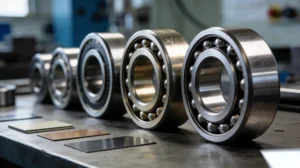
Choosing the wrong stainless steel bearing can cause failures and costly downtime. You need to pick the right material for the job. This guide will help you understand the differences.
The best stainless steel bearing depends on your needs. 440C is for high hardness and wear resistance. 304 is for general corrosion resistance. 316 is best for harsh marine or acidic environments. 420 offers a good balance of hardness and moderate corrosion resistance.
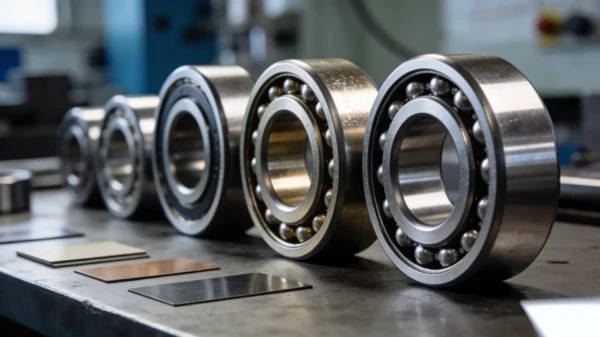
Choosing the right material is a big decision for any project. You have to think about how the bearing will be used. Will it face heavy loads? Will it get wet or be around chemicals? Each stainless steel type has its own strengths. In our 30 years in the bearing business, We've seen how picking the right material from the start saves a lot of trouble later. Let's look at each one more closely so you can make a smart choice.
What Makes 440C Stainless Steel Bearings Stand Out?
Your machines handle heavy loads and high friction. This wears out standard bearings too fast. Frequent replacements cost time and money, slowing down your whole operation.
440C stainless steel bearings are extremely hard and wear-resistant. This makes them perfect for high-load, high-friction situations. They are magnetic and have good, but not the best, corrosion resistance. This is the choice for durability under pressure.
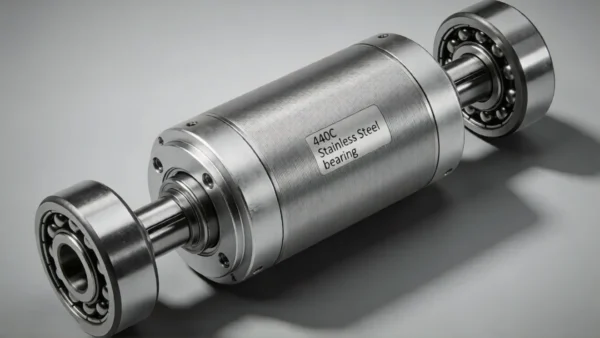
When we talk about 440C, we are talking about strength. It's a high-carbon, martensitic stainless steel1. In simple terms, the high carbon content allows it to be heat-treated to a very high hardness. This is why it resists wear so well. I remember a client who made high-speed cutting tools. Their machines were powerful, and the bearings in the spindles were failing constantly. The load was just too much. We suggested they switch to 440C stainless steel bearings2. The problem disappeared. The hardness of the 440C material could handle the stress without deforming or wearing down. The main trade-off is that its corrosion resistance3 is not as good as the 300-series steels. It’s perfect for dry, high-load environments where toughness is the most important thing.
Key Properties of 440C
| Property | Rating | Best For |
|---|---|---|
| Hardness | Excellent | High Loads, High-Speed Rotation |
| Wear Resistance | Excellent | Abrasive Environments |
| Corrosion Resistance | Good | General moisture, mild chemicals |
| Magnetism | Magnetic | Applications where magnetism is not an issue |
Why Choose 304 Stainless Steel Bearings?
You need a bearing for a wet or chemical environment. But you don't need extreme hardness. Using the wrong material could lead to rust and contamination, a big problem in food or medical industries.
304 stainless steel bearings offer excellent corrosion resistance for many situations. They are the most common choice for food, medical, and chemical industries. They have good strength and are usually non-magnetic, making them a very reliable and versatile option.
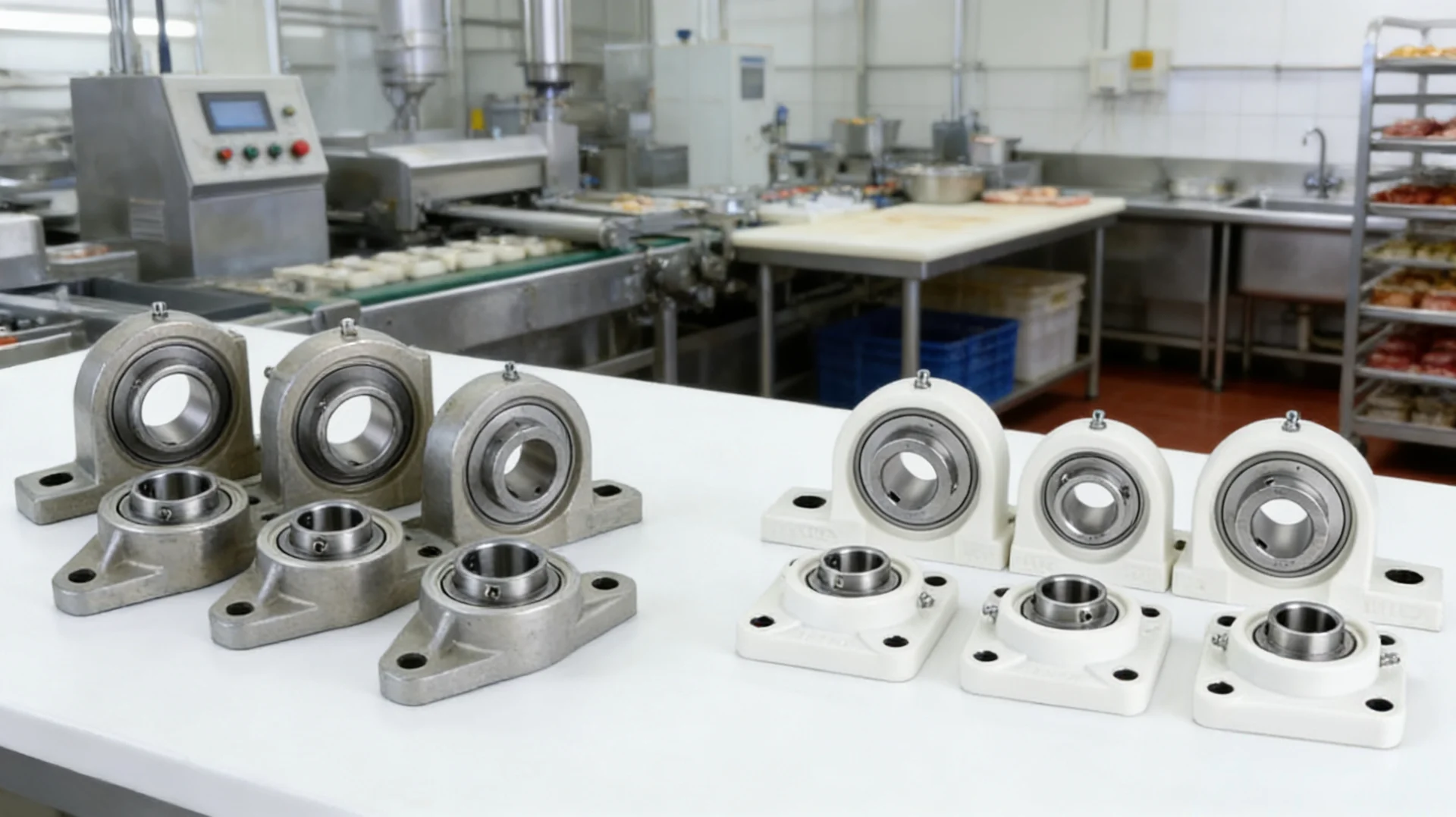
I often call 304 stainless steel the "all-rounder." It's an austenitic stainless steel4, which gives it that great resistance to rust and corrosion. It is the most widely used stainless steel in the world for a reason. It provides a fantastic balance of performance and cost. We supply many 304 bearings to a company that makes beverage bottling machines. For them, hygiene is the top priority. They need to wash down their equipment with cleaning solutions every day. 304 stainless steel holds up perfectly. It doesn't rust, so there is no risk of contaminating the product. It has enough mechanical strength for most of their conveying and bottling operations. Unless you are dealing with very specific, harsh chemicals or extreme loads, 304 is often the best and most economical choice for general-purpose corrosion resistance5.
Key Properties of 304
| Property | Rating | Best For |
|---|---|---|
| Hardness | Fair | Low to Medium Loads |
| Wear Resistance | Fair | Non-abrasive conditions |
| Corrosion Resistance | Excellent | Food, beverage, medical, general moisture |
| Magnetism | Non-Magnetic | Applications requiring no magnetic interference |
How Does 316 Stainless Steel Compare for Bearing Applications?
Your machines work in very tough, corrosive places. Maybe it is near the ocean with salt spray, or in a plant with strong acids. Standard stainless steel just won't last in these conditions.
316 stainless steel is a premium choice for corrosion resistance. It has an element called molybdenum added, which makes it much better than 304 at resisting salt, acids, and other harsh chemicals. It is the best choice for marine and chemical processing applications.
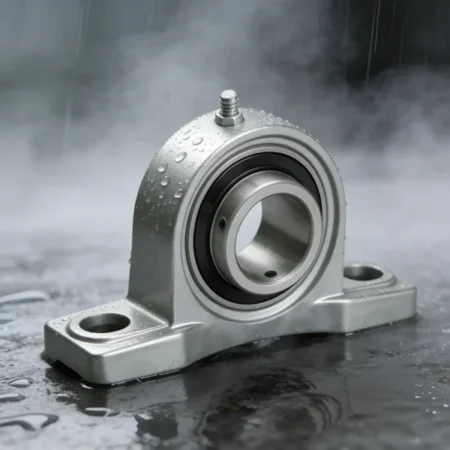
Think of 316 stainless steel6 as 304's tougher older brother. The key difference is the addition of molybdenum. This one small change makes a huge difference in its ability to fight off specific types of corrosion, especially from chlorides, which are found in saltwater and many industrial chemicals. A few years ago, we worked with a company that builds docks and boat lifts. They were using 304 bearings in their winch systems, but the constant exposure to salty air and water was causing them to fail within a year. We had them switch to 316 stainless steel6 bearings. The extra cost for the material was small compared to the cost of replacing the bearings and the potential for equipment failure. The 316 bearings have performed flawlessly. If your application is in a truly harsh environment, investing in 316 is a smart move that pays off in the long run.
Key Properties of 316
| Property | Rating | Best For |
|---|---|---|
| Hardness | Fair | Low to Medium Loads |
| Wear Resistance | Fair | Non-abrasive conditions |
| Corrosion Resistance | Superior | Marine, saltwater, acidic, chemical environments |
| Magnetism | Non-Magnetic | Applications requiring no magnetic interference |
What Role Does 420 Stainless Steel Play in Bearing Applications?
You need a bearing that is harder than 304. But you don't need the extreme hardness or the higher cost of 440C. It can be hard to find a good middle ground.
420 stainless steel bearings are a great balanced option. They are harder and more wear-resistant than 304, but not as hard as 440C. Their corrosion resistance is good for general environments, making them a smart, cost-effective choice for many machines.
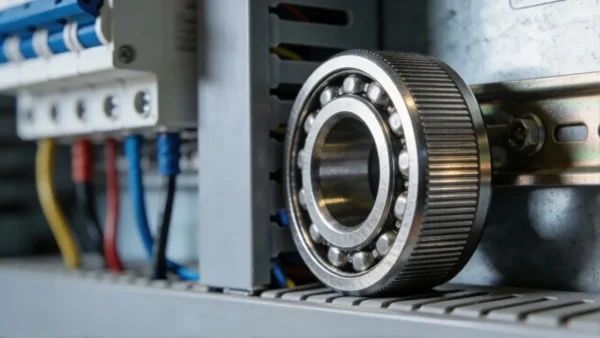
I see 420 stainless steel as the practical, value-driven choice. It’s a martensitic steel, like 440C, so it can be hardened. However, it has less carbon, so it doesn't get quite as hard. This makes it more affordable but still gives you a good boost in wear resistance7 over the 300-series steels. Its corrosion resistance3 is better than standard carbon steel but not as good as 304 or 316. It's perfect for applications where you need a bit of everything. For example, we supply 420 bearings to a manufacturer of high-quality hand tools. They need the bearings to be hard enough to withstand impact and use, but they also need some rust resistance since the tools might be left in a damp garage. 440C would be too expensive, and 304 wouldn't be tough enough. 420 stainless steel hits that perfect sweet spot of performance and cost for them.
Overall Material Comparison
| Material | Hardness & Wear | Corrosion Resistance | Magnetism | Common Use |
|---|---|---|---|---|
| 440C | ★★★★★ | ★★☆☆☆ | Magnetic | High-Load, High-Speed, Precision Tools |
| 304 | ★★☆☆☆ | ★★★★☆ | Non-Magnetic | Food, Medical, General Purpose |
| 316 | ★★☆☆☆ | ★★★★★ | Non-Magnetic | Marine, Chemical, Harsh Environments |
| 420 | ★★★☆☆ | ★★★☆☆ | Magnetic | General Machinery, Tools, Balanced Needs |
Conclusion
Choosing the right stainless steel bearing comes down to your specific application. Match the material's strengths—hardness, wear, or corrosion resistance3—to the demands of your machine for the best results.
Understand the applications and benefits of martensitic stainless steel. ↩
Explore the advantages of 440C bearings for high-load applications and their durability. ↩
Understand the importance of corrosion resistance in bearing applications. ↩
Learn about austenitic stainless steel and its applications in various industries. ↩
Discover the significance of general-purpose corrosion resistance in bearings. ↩
Discover how 316 stainless steel withstands harsh marine conditions effectively. ↩
Learn about wear resistance and its impact on bearing longevity. ↩